

If you are asking, “why is my dog shaking?”, the answer may be as simple as cold weather or excitement. However, shaking can also signal pain, poisoning, low blood sugar or a neurological problem.
Context matters. Notice when the shaking began, whether it affects the whole body or one area, and whether your dog is vomiting, weak, confused, painful or unable to walk normally.
Occasional trembling that stops after warming or reassurance is often harmless. Sudden, persistent or severe shaking, especially when accompanied by other symptoms, needs veterinary attention.
Table of contents
Why is my dog Shaking: Is it a tremor, shiver or seizure?
Pet owners often use the word “shaking” for several different movements. A true tremor is an involuntary, rhythmic movement caused by repeated muscle contractions.
Shivering from cold may look similar. A seizure, however, may involve collapse, stiffening, paddling, loss of awareness or unusual behaviour after the episode.
A 2025 study of 198 dogs with generalised tremors found that intoxication and idiopathic generalised tremor syndrome were the two most common diagnoses in that referral population. This does not mean that every trembling dog has one of these conditions, but it shows why unexplained whole-body shaking deserves careful assessment.
Take a short video if it is safe to do so. Record whether your dog remains responsive, whether the movement stops during sleep or walking, and what happened immediately before the episode.
1. Cold or being wet
Cold is one of the simplest answers to “why is my dog shaking?” Shivering generates heat through rapid muscle contractions.
Small dogs, puppies, senior dogs, lean breeds and dogs with short or single-layer coats may lose body heat more quickly. Wet fur also increases heat loss.
Move your dog to a warm, draught-free room, dry wet fur thoroughly and offer a blanket. Mild cold-related shivering should improve as the dog warms up.
Do not place your dog directly against a heater, hot-water bottle or very hot surface, as burns can occur.
Contact a vet if the shaking continues after warming, or if your dog becomes drowsy, weak, unresponsive or unusually slow.
2. Fear, stress or anxiety
Thunderstorms, fireworks, travel, grooming, unfamiliar visitors and veterinary appointments can all trigger trembling. A frightened dog may also pant, pace, drool, hide, flatten its ears or try to escape.
When “why is my dog shaking?” has an obvious fear-related answer, guide your dog to a quiet and secure area. Reduce noise, close curtains and allow the dog to choose whether to approach you.
Remain calm and avoid punishment. Scolding a fearful dog can intensify the stress response.
Repeated or severe anxiety deserves professional support. A veterinary surgeon or qualified clinical animal behaviourist may recommend environmental changes, gradual desensitisation and, where appropriate, prescribed medication.
3. Excitement or anticipation
Another harmless answer to “why is my dog shaking?” may be intense excitement.
Some dogs tremble when they see their lead, hear food being prepared or greet a favourite person. Excitement-related shaking is normally brief and occurs alongside loose body language, bright eyes, a wagging tail and normal awareness.
The trembling should stop once the exciting event passes and the dog settles. Calm greetings and rewarding relaxed behaviour can help dogs that become over-aroused.
Do not assume excitement is the cause when the shaking is new, prolonged or accompanied by vomiting, weakness, pain or an abnormal gait.
4. Pain or nausea
Pain is an important explanation for “why is my dog shaking?”, particularly when a dog is also reluctant to move, hunched, tense, restless or unusually quiet.
Osteoarthritis, spinal pain, soft-tissue injuries and abdominal disease can all cause trembling. Weak muscles around a painful joint may also shake while the dog is standing.
Dogs with nausea may tremble before vomiting. Other signs include drooling, lip licking, repeated swallowing, refusing food and appearing unable to settle.
Pancreatitis, intestinal obstruction and gastric dilatation-volvulus can cause severe abdominal pain and require urgent treatment.
Because dogs often conceal discomfort, review these subtle signs that your dog may be in pain.
Never give ibuprofen, paracetamol or another human painkiller unless a veterinary surgeon has specifically instructed you to do so.
5. Ear irritation or infection
Sometimes the question is not simply “why is my dog shaking?”, but why the dog keeps shaking its head.
Repeated head shaking commonly points to ear inflammation, infection, mites, allergy or a foreign body such as a grass seed.
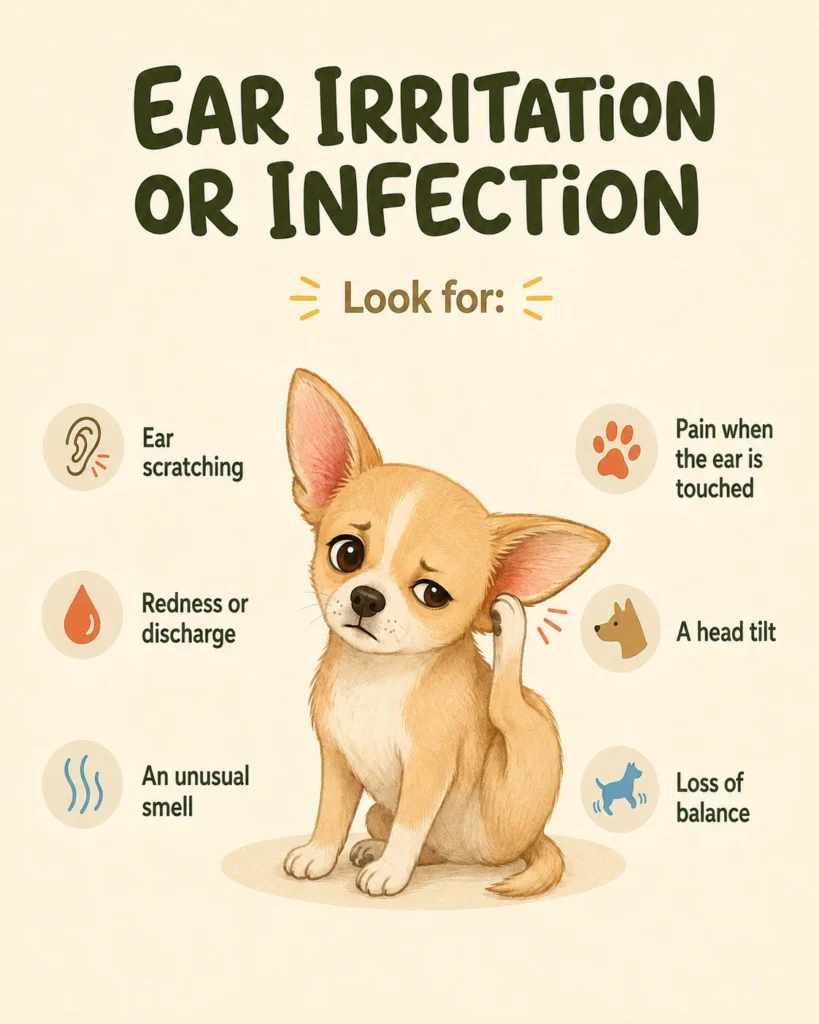
Violent head shaking can damage blood vessels in the ear flap and lead to an aural haematoma.
Ear disease also commonly occurs alongside allergic skin problems. Dogs that chew or lick their feet may benefit from this guide to dog licking paws.
Do not place drops or cleaning solutions into a painful ear until the ear canal and eardrum have been examined.
6. Poisoning or toxin exposure
When pet owners ask “why is my dog shaking?” after a sudden onset, poisoning must be considered.
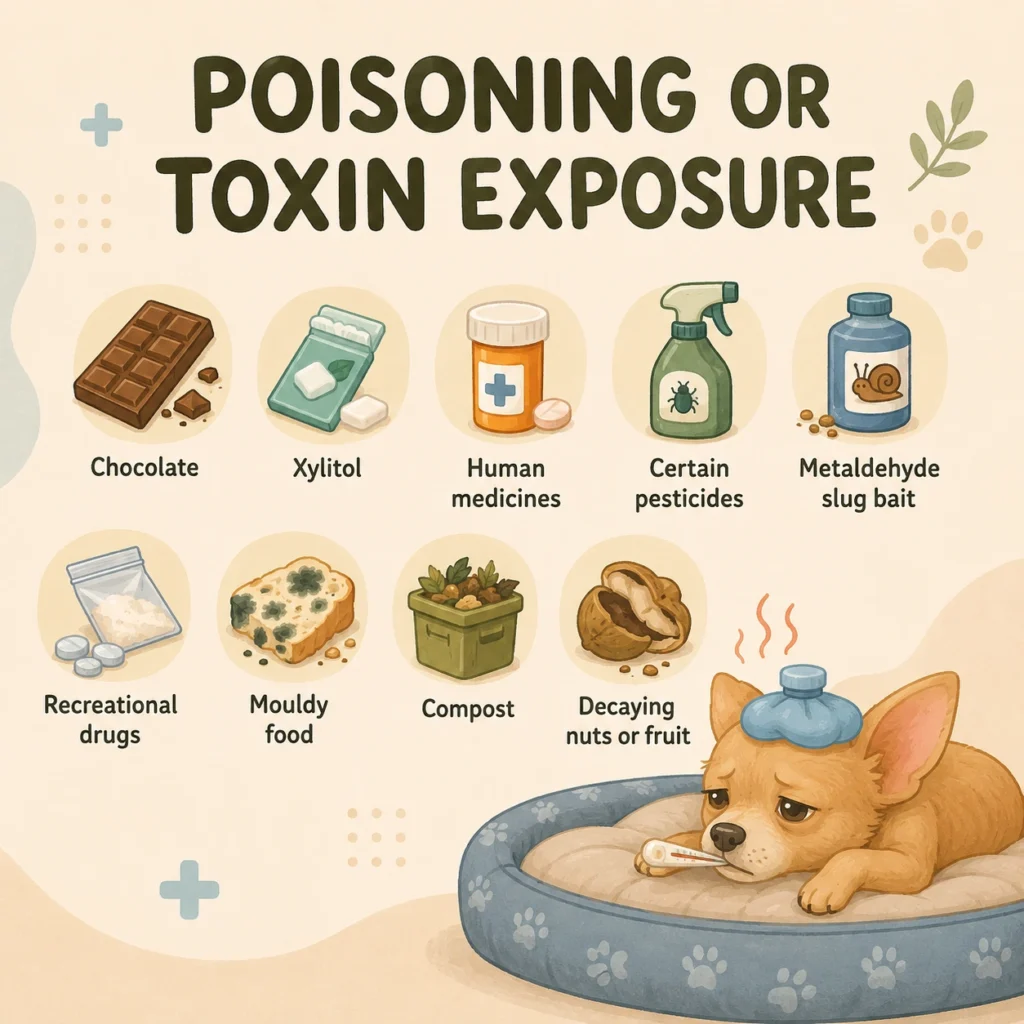
Certain fungi growing on spoiled organic matter can produce tremorgenic mycotoxins. These toxins interfere with normal nervous-system activity and may cause vomiting, severe tremors, sensitivity to sound or touch, overheating, unsteadiness and seizures.
The MSD Veterinary Manual overview of tremorgenic neuromycotoxicosis explains that exposure is commonly linked to mouldy food or decomposing organic matter.
If poisoning is possible, contact a veterinary clinic immediately. Bring the packaging or a sample of the suspected substance when it is safe to do so.
Do not induce vomiting unless a veterinary professional tells you to. Vomiting can be dangerous when a dog is already trembling, drowsy, uncoordinated or having difficulty swallowing.
7. Low blood sugar or another metabolic problem
Low blood sugar can cause trembling, weakness, disorientation, collapse and seizures.
Puppies and toy breeds are particularly vulnerable because they have limited energy reserves. Hypoglycaemia may also occur with insulin treatment, liver disease or other serious conditions.
Other metabolic and endocrine disorders may answer “why is my dog shaking?” These include:
- Low calcium
- Severe electrolyte disturbances
- Liver-related abnormalities
- Hypoadrenocorticism, or Addison’s disease
Dogs with Addison’s disease may have intermittent vomiting, diarrhoea, poor appetite and weakness before suddenly deteriorating during an Addisonian crisis.
The condition cannot be confirmed from symptoms alone. The clinical overview of canine hypoadrenocorticism explains the importance of blood testing and specific hormonal assessment.
Blood glucose, electrolyte and calcium measurements may be required. A weak, confused or collapsed dog needs urgent veterinary assessment rather than home treatment.
8. Neurological disease or a movement disorder
Neurological causes include brain inflammation, degenerative disease, canine distemper and uncommon movement disorders.
Distemper-related myoclonus may cause rhythmic twitching of the jaw, head or limbs. Unlike many other tremors, these movements may continue while the dog is asleep.
Primary orthostatic tremor is a rare condition reported mainly in large and giant breeds. The tremor occurs when the dog is standing and bearing weight, then improves when the dog walks, sits or lies down.
A dog with neurological disease may also have:
- An unsteady or exaggerated gait
- A wide-based stance
- A head tilt
- Abnormal eye movements
- Weakness
- Reduced awareness
- Seizures
These signs require a veterinary neurological examination.
9. Idiopathic Generalised Tremor Syndrome (IGTS)
Idiopathic generalised tremor syndrome, or IGTS, causes fine whole-body tremors that often worsen with movement, handling, stress or excitement.
It was once called “little white shaker syndrome” because it was initially recognised in small white dogs. It is now known to affect dogs of different breeds, sizes and coat colours.
Affected dogs may also stand with their feet wide apart, overreach while walking, lose balance or show abnormal eye movements.
Research into canine idiopathic generalised tremor syndrome suggests that it may be immune-mediated in at least some dogs.
IGTS is diagnosed after other causes, particularly toxins and metabolic disorders, have been investigated. Many dogs respond well to veterinary treatment, commonly involving corticosteroids, but medication must be prescribed and monitored carefully.
Why Is My Dog Shaking and When Is It an Emergency?
Seek emergency veterinary care when shaking occurs with any of the following:
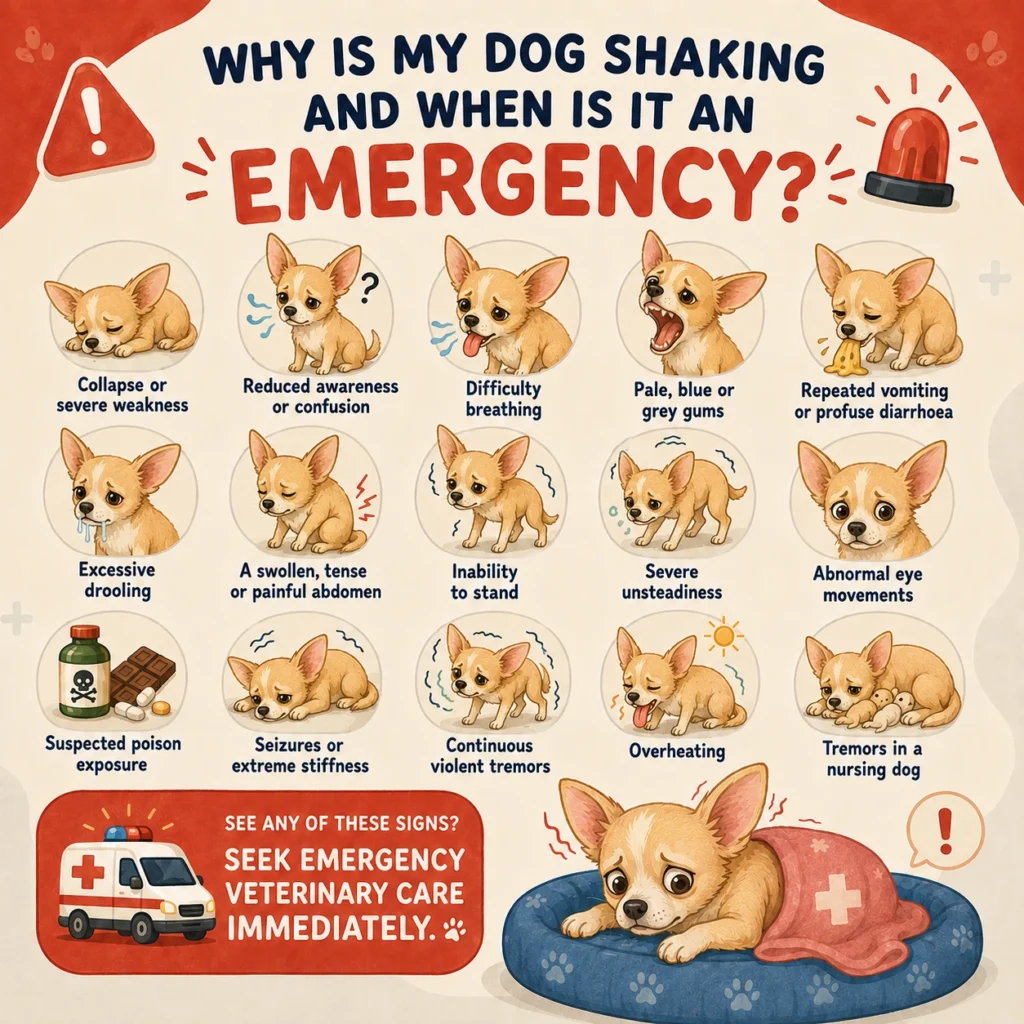
If you are still asking “why is my dog shaking?” after 20–30 minutes in a warm and calm environment, contact a vet for advice.
Do not wait for that time limit when severe signs or possible poisoning are present.
The Bottom Line
The answer to “why is my dog shaking?” ranges from normal shivering and excitement to pain, poisoning, metabolic disease and neurological disorders.
The trigger, duration and accompanying signs are more informative than the shaking alone.
Warm and reassure your dog only when cold or fear is the clear explanation and the dog is otherwise behaving normally.
Persistent, unexplained or severe shaking should be assessed promptly. Suspected poisoning or shaking accompanied by collapse, vomiting, abdominal pain or neurological signs is an emergency.
Frequently Asked Questions
Why is my dog shaking but acting normal?
A dog that remains bright and responsive may be cold, excited or mildly anxious. However, early pain, nausea or toxin exposure can begin before obvious illness develops. Monitor your dog closely and seek advice if the shaking is new, repeated or persistent.
Why is my dog shaking and panting?
Shaking with panting can occur with fear, pain, overheating, poisoning or metabolic disease. Move your dog to a quiet and comfortable environment. Arrange urgent care if the dog is distressed, weak, vomiting, confused or unable to settle.
Why is my dog shaking after vomiting?
Nausea and abdominal pain can cause trembling. Vomiting with shaking may also indicate pancreatitis, obstruction, poisoning, hypoglycaemia or Addison’s disease. Repeated vomiting, weakness, abdominal pain or suspected toxin exposure requires prompt veterinary assessment.
Why is my old dog shaking?
Senior dogs may shake because they are cold, painful, weak or losing muscle mass. Osteoarthritis, metabolic disorders and neurological disease become more common with age. New or worsening tremors should not be dismissed as normal ageing.
Why is my dog shaking its head?
Repeated head shaking commonly indicates ear inflammation, infection, mites, allergy or a foreign body. Arrange an ear examination if there is redness, discharge, odour, pain, scratching or a head tilt.
Can probiotics stop shaking with diarrhoea?
No. Probiotics may have a limited role in some cases of uncomplicated diarrhoea, but they do not treat poisoning, severe dehydration, abdominal pain or metabolic emergencies. Read more about dog probiotics and diarrhoea. Contact a vet when diarrhoea occurs with shaking, weakness, vomiting or blood.